Rasa (Taste)
Tikta, Kashaya
The primary taste perceived on the tongue.

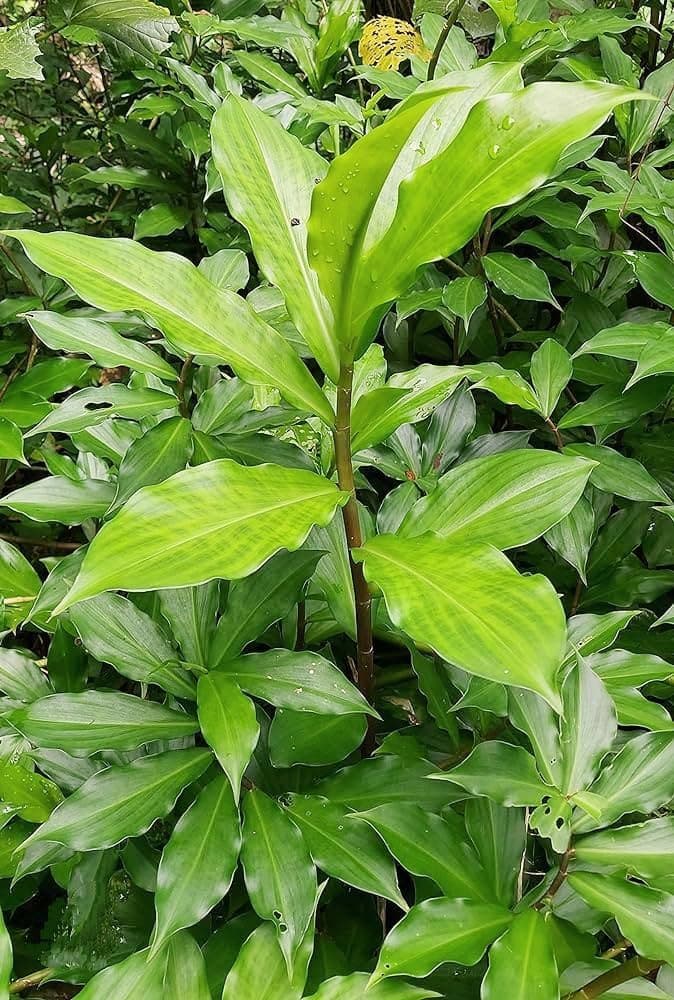
Habit: A low-growing, upright, spreading perennial herb reaching up to 60 cm (2 feet).
Costus igneus N.E.Br · Costaceae
Habit: A low-growing, upright, spreading perennial herb reaching up to 60 cm (2 feet).
Scientific Name
Costus igneus N.E.Br
Family
Costaceae
Hindi Name
Banda
Used Part
Leaves, Rhizomes, Stems
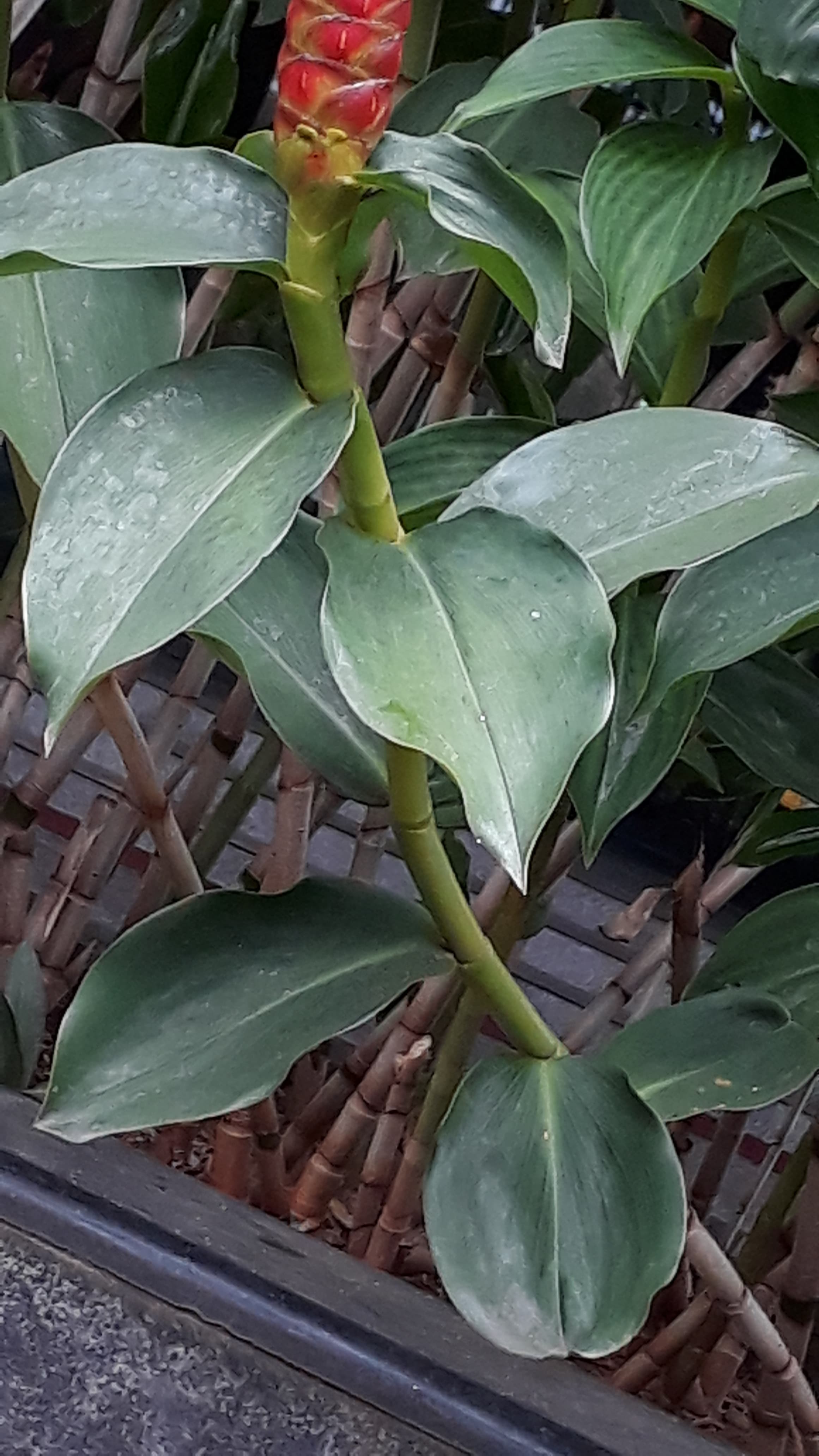
Morphology and field-identification notes as documented in our Dravyaguna library.
Habit: A low-growing, upright, spreading perennial herb reaching up to 60 cm (2 feet). Leaves: Simple, alternate, and dark green with a light purple underside. They are spirally arranged around the stem and have a fleshy, smooth texture. Flowers: Bright orange to yellow, about 1.5 inches in diameter, appearing in cone-like heads at the tips of branches. Rhizome: Fleshy, cylindrical, and aromatic rootstocks.
The five-fold framework Ayurveda uses to describe a drug — Rasa, Guna, Vipaka, Veerya and its effect on the doshas.
Tikta, Kashaya
The primary taste perceived on the tongue.
Laghu, Ruksha
Physical and energetic attributes of the dravya.
Katu
Taste that emerges after complete digestion.
Kaphapitta Shamaka
Effect on Vata, Pitta and Kapha doshas.
Sheeta
Heating (ushna) or cooling (sheeta) energy.
Medohara, Pramehahara, Deepana, Vishaghna
How modern science maps onto the classical understanding of this dravya.
Pharmacological Action
Antidiabetic, Digestive stimulant, Detoxifying, Antioxidant
Phytoconstituents
Corosolic acid (insulin-mimetic), Diosgenin, Quercetin, Kaempferol, and Caffeic acid
Classical Ayurvedic indications drawn directly from the Dravyaguna tradition — paired with the preparations recommended in shastra.
01
Plant helps to lower both fasting and postprandial (after meal) blood glucose.
02
Regular consumption is known to improve lipid profile, reducing overall cholesterol and triglyceride levels.
03
The plant has natural diuretic properties that assist in managing fluid balance and blood pressure.
04
Plant is having antioxidant effects.
Always consult a qualified Ayurvedic physician before using any herb therapeutically. Dose, anupana and Prakriti-specific suitability matter.
Yoga / Kalpana
Common Ayurvedic preparations where Insulin plant is a key ingredient.
Shastra Pramana
The plant is not mentioned in Ayurvedic Classics.